
Weather and terrain in Regulation M-A
Mastery of the competitive Pokémon VGC scene requires a deep and unwavering understanding of field conditions. Modifying the battle arena is not just an accessory tactic; it is the foundation upon which competitive dynasties are built. This concept aligns intrinsically with the premises established in our Speed Control guides, where the manipulation of turn order dictates the pace of the match. Weather and Terrains operate in an analogous manner, acting simultaneously as damage multipliers and passive ability activators.
With the launch of the Pokémon Champions platform, the introduction of the Regulation M-A ruleset marks the triumphant return of Mega Evolutions. However, this format deliberately excludes Paradox Pokémon and the Treasures of Ruin. This careful curation forces an immediate reevaluation of how weather interacts with the new Mega abilities and the roster of Pokémon currently legal in the format. This report dissects the mathematical and tactical nuances based on field conditions.
The Regulation M-A terrain vacuum
Before diving into weather, it is crucial to understand the drastic change that has occurred with Terrains. In past generations, the arena was constantly contested by automatic setters. However, Regulation M-A introduces a massive structural change: there are no legal Pokémon in the format that possess automatic terrain-setting abilities, such as Rillaboom or Indeedee-Female.
Terrains must now be activated manually, which creates a “Terrain Vacuum.” This impacts the meta in three ways:
- Priority is king: Without Psychic Terrain to block priority attacks, moves like Fake Out and Extreme Speed dominate the scene.
- Earthquake spam: Without Grassy Terrain to reduce the damage of seismic attacks, spread Earthquake from Pokémon like Garchomp has become fatal.
- Weather dominance: Without the constant war for Terrains, the “Weather War” has taken absolute center stage in field manipulation.
If you decide to use a manual setter, here are the mechanical effects each terrain applies to grounded Pokémon (excluding Flying-types and Levitate users):
| Terrain condition | Primary offensive effect | Defensive / secondary effect |
|---|---|---|
| Psychic | Psychic damage +30% | Blocks priority attacks and activates Psychic Seed |
| Grassy | Grass damage +30% | Heals 1/16 HP at end of turn; reduces Earthquake damage by 50% |
| Electric | Electric damage +30% | Prevents the Sleep condition for grounded Pokémon |
| Misty | Reduces Dragon damage by 50% | Immunity against all status conditions (Burn, Paralysis, etc.) |
The architecture of weather conditions
Weather affects the entire battle arena, directly impacting move accuracy, typing power, and ability activation. The standard duration of a weather condition is five turns, regardless of whether it is activated by an ability or a manual move.
| Weather condition | Main summoning abilities | Primary offensive effect | Defensive / secondary effect |
|---|---|---|---|
| Sun | Drought, Mega Sol | Fire damage +50%, Water damage −50% | Freeze immunity; Synthesis heals 66% |
| Rain | Drizzle | Water damage +50%, Fire damage −50% | Hurricane and Thunder get 100% accuracy |
| Sandstorm (Sand) | Sand Stream | 1/16 HP residual damage per turn | +50% Special Defense for Rock-type Pokémon |
| Snow | Snow Warning | Blizzard gets 100% accuracy | +50% Physical Defense for Ice-type Pokémon |
Harsh sunlight (Sun)
Sun is the apex of hyper-offense. The current format is centralized around Mega Charizard Y, which frequently dominates tournaments with its Drought ability instantly clearing the opposing weather. Additionally, the game introduced Mega Meganium with the brand-new exclusive ability Mega Sol. It allows the user to use weather-dependent moves (like a charge-free Solar Beam) as if the sun were active, regardless of the actual global weather.
Constant rain
Rain teams integrate Steel and Grass pieces to mitigate their Fire weakness. Pelipper and Politoed activate the weather via Drizzle. Politoed has seen an absurd resurgence in Regulation M-A due to its synergy in Perish Trap compositions alongside Mega Gengar. Offensively, Rain guarantees 100% accuracy for hurricanes and allows Archaludon to skip the charge turn for Electro Shot.
Sandstorm
Sand punishes the opponent with passive attrition (1/16 HP damage) and provides a gigantic 50% Special Defense bonus to Rock-type Pokémon. Tyranitar remains the foundation of this strategy, but Mega Excadrill is the new monster of the format. Blessed with the new Piercing Drill ability, its contact attacks ignore and pierce through defensive abilities like Protect, dealing 1/4 of the normal damage directly.
Snow
The archetype focuses on continuous fortification, doubling the physical resilience of the fragile Ice typing and unlocking the use of the Aurora Veil shield. While Alolan Ninetales and Abomasnow are solid options, Mega Froslass revolutionizes the meta by gaining the Snow Warning ability. This gives Snow teams an ultra-fast weather setter capable of disrupting the opponent while paving the way for heavy hitters.
Conflict dynamics: the weather war
Understanding the exact moment to alter the arena dictates who controls the flow of the match:
The slow arithmetic paradox
When multiple setters enter on Turn 1, weather priority is based on the inferiority of the Speed stat. The slowest Pokémon acts last, causing its weather to immediately overwrite the opponent’s. Because of this, players force slow Natures (like Quiet) on their setters.
The Mega Evolution disruption
Mega Evolutions break the Turn 1 rule. Since the transformation happens at the beginning of the turn, Mega Charizard Y can easily overwrite the weather initially set by a slower Pelipper.
Manual weather with Prankster
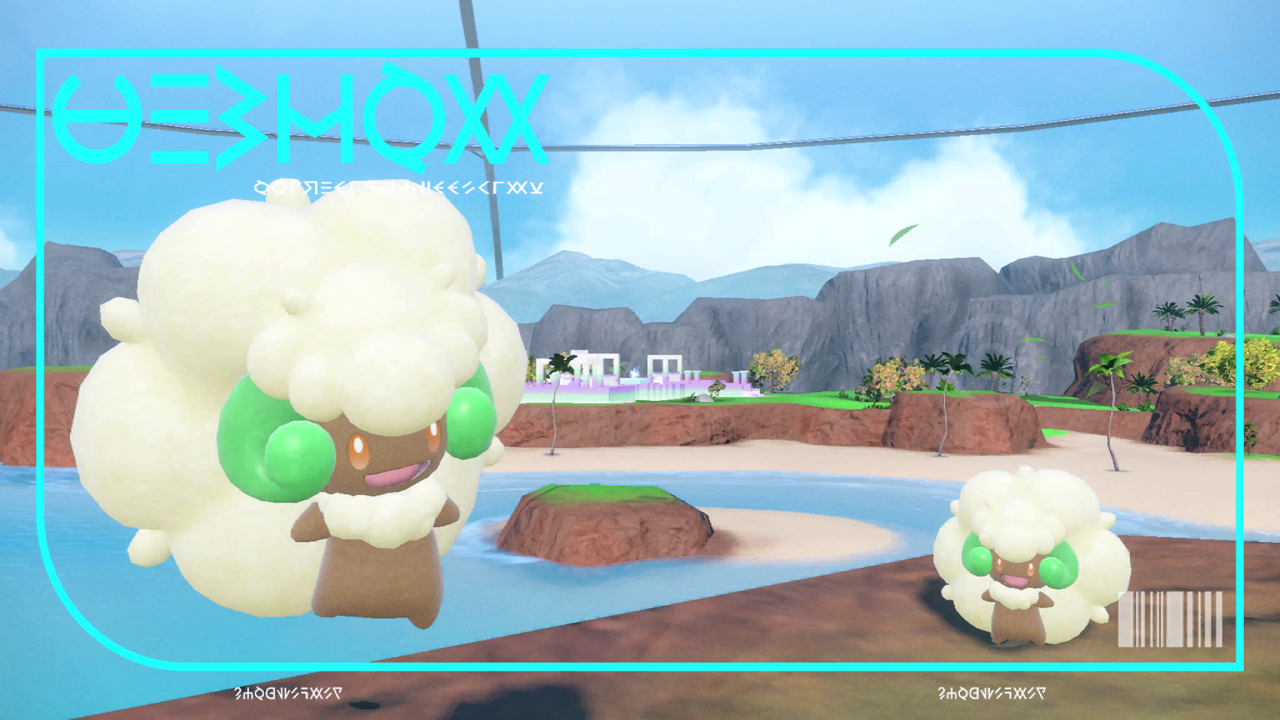
The best response to a Mega Evolution’s weather activation is manual support. A Murkrow with the Prankster ability using Rain Dance or a Whimsicott using Sunny Day can change the weather with maximum priority, completely disabling the enemy strategy seconds before their attack resolves.
Team building checklist
Based on the competitive Regulation M-A scene in Pokémon Champions, apply this structure when creating your team:
The weather core: Choose a definitive setter (Mega Charizard Y, Pelipper, Tyranitar) and pair it with a field-bonus abuser (Venusaur, Mega Excadrill).
The defensive pivot: Incineroar is absolute, present on over 50% of top-tier teams. Its ability to cycle Intimidate and safely retreat is vital for repositioning weather setters.
The ground immunity: With Earthquake usage spiking due to the absence of Grassy Terrain, you need immunities. Use Flying-types or abuse the Levitate ability newly granted to Mega Chimecho and Mega Delphox.
Tech counters: Always bring a tool against opposing weathers, whether through manual weather moves to overwrite the opponent’s condition or by securing the speed advantage with a Whimsicott using Tailwind.
Use the Team Builder to validate your team against the current regulation.